Vitamin B12 is an essential nutrient, a powerhouse behind many vital bodily functions. Yet, many people silently suffer from its deficiency, often unaware of the root cause. While sometimes it's simply a matter of not consuming enough, a far more common and complex scenario involves issues with how your body absorbs this crucial vitamin. Understanding what B12 deficiency is and, more importantly, *why* it happens, is the first step toward effective management.
What Is B12 Deficiency? Unpacking a Crucial Nutrient
At its core, what is B12 deficiency? Also known as cobalamin deficiency, it's a condition that arises when your body doesn't have enough vitamin B12. This can stem from two primary reasons: either an insufficient intake of B12 from your diet or, more frequently, an inability of your body to properly absorb the B12 you consume. Regardless of the cause, a lack of this vital vitamin can lead to a cascade of physical, neurological, and even psychological symptoms that can significantly impact your quality of life.
So, why is B12 so indispensable? This water-soluble vitamin plays a critical role in several fundamental processes:
- Red Blood Cell Formation: B12 is crucial for the production of healthy red blood cells, which transport oxygen throughout your body. Without enough B12, these cells can become abnormally large and inefficient, leading to a specific type of anemia called megaloblastic anemia.
- DNA Synthesis: It's a key player in making DNA, the genetic material found in all your cells. This means B12 is essential for cell growth, repair, and overall cellular function.
- Nerve Health: B12 helps maintain the myelin sheath, a protective covering around your nerves. This sheath allows nerve impulses to travel quickly and efficiently. A deficiency can lead to nerve damage and a range of neurological issues.
To dive deeper into these vital roles, explore B12's Crucial Role: Impact on Nerves, Blood & DNA Explained. Your body cannot produce vitamin B12 on its own, meaning you must obtain it through your diet. It's primarily found in animal products like fish, meat, dairy, and eggs. For those following plant-based diets, fortified foods such as cereals, plant-based milks, and nutritional yeast become vital sources. Most adults require about 2.4 micrograms (mcg) of B12 daily, with higher amounts recommended for pregnant or breastfeeding women.
The Complex Journey: How Your Body Absorbs B12
Understanding what is B12 deficiency often circles back to the intricate process of absorption. It's not as simple as eating B12-rich food and your body automatically using it. Several steps must occur for vitamin B12 to be effectively absorbed and utilized:
- Stomach Acid Detachment: First, the hydrochloric acid in your stomach must detach vitamin B12 from the food protein it's bound to. This acidic environment is critical for freeing the B12 molecule.
- Intrinsic Factor Binding: Once freed, the now-individual B12 molecule must combine with a special protein called intrinsic factor. Intrinsic factor is produced by parietal cells in your stomach lining. This binding is absolutely essential, as B12 cannot be absorbed on its own in the later stages of digestion.
- Intestinal Absorption: The B12-intrinsic factor complex then travels to the terminal ileum, the very last section of your small intestine. Here, specialized receptors recognize this complex and facilitate its absorption into your bloodstream.
If any part of this multi-step process is disrupted, even if you're consuming plenty of B12, you can develop a deficiency. The liver typically stores excess B12, providing a buffer that can last for years. However, if absorption issues persist, these hepatic stores will eventually deplete, leading to a full-blown deficiency.
Beyond the Plate: Primary Causes of B12 Malabsorption
Given the complexity of B12 absorption, it’s not surprising that many instances of B12 deficiency stem from malabsorption issues rather than simply a lack of dietary intake. Here are some of the key causes:
- Pernicious Anemia: This is perhaps the most well-known cause of B12 malabsorption. Pernicious anemia is an autoimmune condition where the body's immune system mistakenly attacks and destroys the parietal cells in the stomach that produce intrinsic factor. Without intrinsic factor, B12 cannot be absorbed, regardless of how much is consumed. It's a classic example of how a problem with absorption, not intake, defines what is B12 deficiency for many.
- Gastric Surgery: Procedures like bariatric surgery (weight loss surgery) or other surgeries that involve removing parts of the stomach (gastrectomy) or small intestine can significantly reduce the production of hydrochloric acid and intrinsic factor, or bypass the section of the intestine where B12 is absorbed.
- Gastrointestinal Disorders: Conditions that affect the small intestine can impair B12 absorption. These include:
- Crohn's Disease and Celiac Disease: These inflammatory bowel conditions can damage the lining of the small intestine, particularly the terminal ileum, where B12 is absorbed.
- Bacterial Overgrowth (SIBO): An excess of bacteria in the small intestine can consume B12 before your body has a chance to absorb it.
- Parasitic Infections: Certain parasites, such as the fish tapeworm (Diphyllobothrium latum), can compete with the host for B12, leading to deficiency.
- Achlorhydria or Hypochlorhydria: This refers to a lack of or reduced stomach acid production. As hydrochloric acid is crucial for detaching B12 from food proteins, low stomach acid can kickstart the malabsorption process. This can occur naturally with age, or due to certain medications.
Other Key Factors Contributing to Low B12 Levels
While malabsorption is a dominant theme, other factors also contribute to what is B12 deficiency:
- Strict Vegan or Vegetarian Diets: Since B12 is found predominantly in animal products, individuals following strict vegan diets are at high risk of deficiency if they don't consume fortified foods or take supplements. Even with B12 stored in the liver, these stores can deplete over approximately three years without adequate intake. Vegetarians who consume dairy and eggs may have lower risk but should still be mindful of their intake.
- Medication Use: Certain medications can interfere with B12 absorption or metabolism:
- Metformin: Commonly prescribed for type 2 diabetes, metformin can reduce B12 absorption from the gut. Regular monitoring of B12 levels is often recommended for long-term users.
- Proton Pump Inhibitors (PPIs) and H2 Blockers: These medications, used to reduce stomach acid, can, over prolonged use, hinder the initial step of B12 absorption by reducing hydrochloric acid levels.
- Nitrous Oxide Exposure: Chronic exposure to nitrous oxide, an anesthetic gas, can inactivate vitamin B12 in the body, leading to functional deficiency and neurological symptoms. This is particularly relevant for recreational users or healthcare workers with inadequate ventilation.
- Age: As people age, the production of stomach acid and intrinsic factor can naturally decline, increasing the risk of B12 malabsorption.
Addressing B12 Deficiency: What You Need to Know
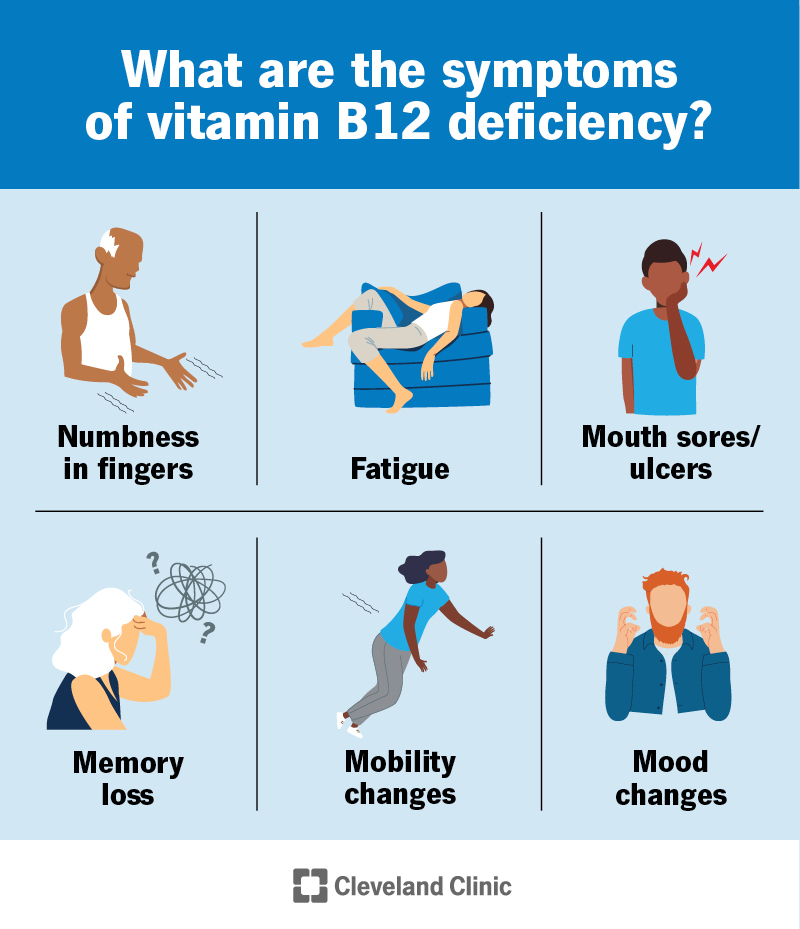
Recognizing the diverse causes of B12 deficiency underscores the importance of proper diagnosis. Symptoms can be varied and often mimic other conditions, making it tricky to pinpoint. They can range from fatigue, weakness, and pale skin to more severe neurological issues like numbness, tingling, balance problems, and even cognitive difficulties. Psychological symptoms such as depression, irritability, and memory problems can also arise.
If you suspect you might have a B12 deficiency, it's crucial to consult a healthcare professional. A simple blood test can confirm your B12 levels. Once diagnosed, treatment typically involves B12 supplements, which can be oral, nasal, or, most commonly, injections. For severe malabsorption issues like pernicious anemia, injections are often the preferred and most effective method, bypassing the digestive system entirely.
Don't wait for severe symptoms to appear. Early detection and treatment can prevent long-term complications. If you're at risk due to diet, medication, or a known health condition, discuss proactive screening and supplementation with your doctor. Being informed about what is B12 deficiency, its causes, and its treatment options empowers you to take charge of your health.